
Dr. Manoj Lahoti is a highly experienced specialist in FibroScan-based liver evaluation and management. He combines accurate, non-invasive diagnosis with personalized treatment strategies tailored to each patient’s condition. His approach emphasizes early detection, lifestyle correction, and evidence-based medical therapy to prevent disease progression. With a strong focus on patient safety and comfort, he minimizes the need for invasive procedures like biopsies. Patients benefit from precise monitoring, improved liver health outcomes, and comprehensive, compassionate care.
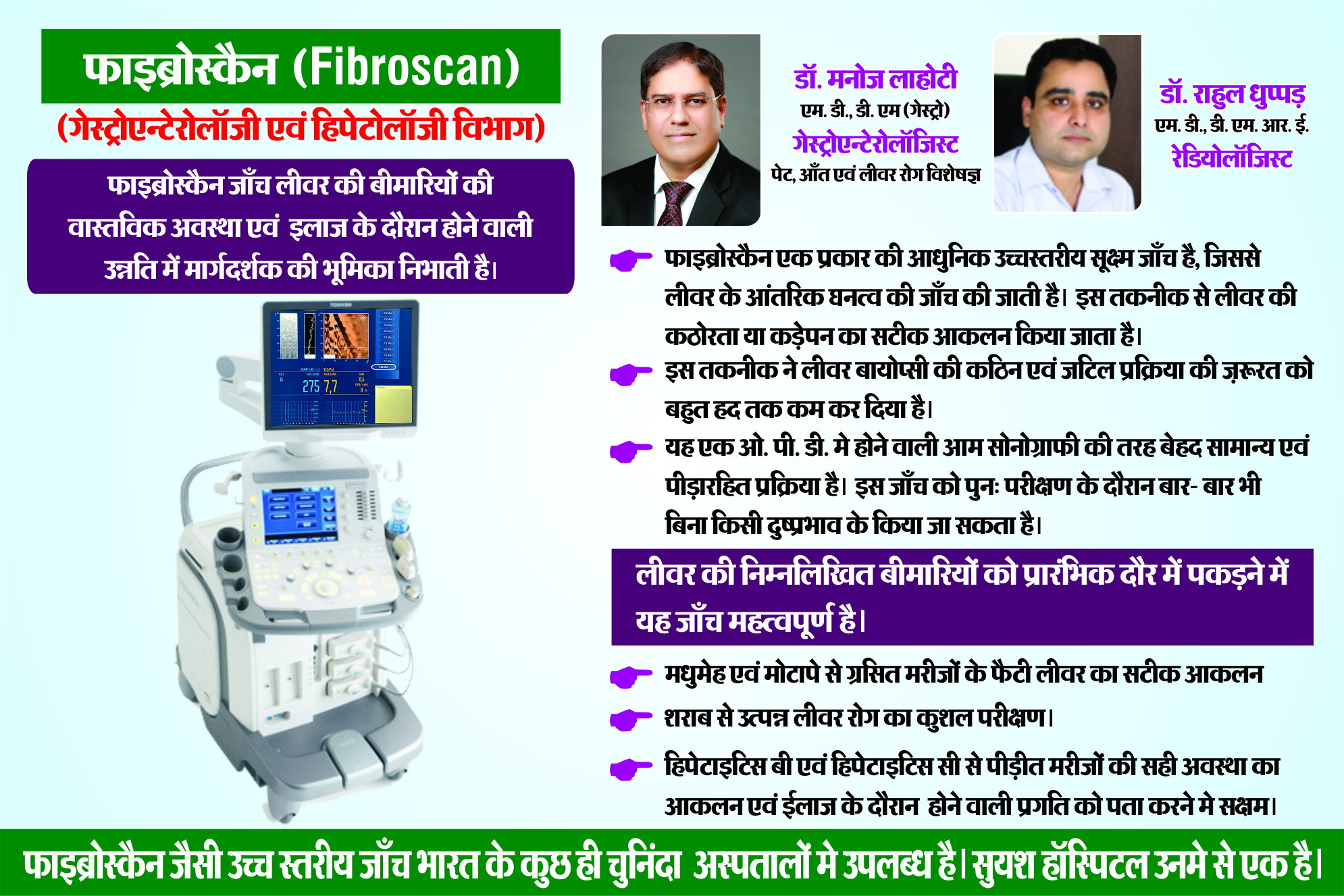
FibroScan – Advanced Liver Assessment
FibroScan is a state-of-the-art, non-invasive test used to evaluate liver health. It measures liver stiffness, which reflects the amount of fibrosis (scarring). It also assesses fat accumulation in the liver (steatosis). The technology used is called transient elastography. A probe gently sends painless vibrations through the liver. These waves help calculate liver stiffness accurately. Higher values indicate more advanced fibrosis or cirrhosis. The test is quick and takes only 10–15 minutes. It is completely painless and requires no sedation. Patients can return to normal activities immediately.
FibroScan is widely used in chronic liver disease evaluation. It helps detect early liver damage before symptoms appear. Commonly used in fatty liver disease (NAFLD/NASH). Essential in monitoring hepatitis B and hepatitis C patients. Reduces the need for invasive liver biopsy. Provides instant and reliable results. Safe for repeated use in follow-up assessments. Helps doctors monitor disease progression over time. Useful in predicting the risk of cirrhosis and complications. Assists in planning timely and effective treatment. Suitable for preventive health check-ups.
Ideal for patients with diabetes, obesity, or alcohol use. Enhances early diagnosis and better clinical outcomes. A patient-friendly and highly accurate diagnostic tool. An integral part of modern liver care management.
Causes, Diagnosis & Treatment :
FibroScan is recommended for patients at risk of liver disease. Fatty liver due to obesity and a sedentary lifestyle is a common cause. Alcohol-related liver damage is another major indication. Chronic hepatitis B and C infections require regular monitoring. Metabolic disorders like diabetes increase liver disease risk. Certain drugs and toxins may also affect liver health. FibroScan helps detect fibrosis at an early stage. It categorizes liver damage from mild to severe. Identifies patients at risk of cirrhosis and complications. Guides doctors in choosing appropriate treatment strategies.
Early diagnosis allows effective lifestyle modifications. Weight management plays a key role in treatment. A balanced diet and regular exercise improve liver function. Strict alcohol cessation is crucial when indicated. Antiviral therapy helps manage hepatitis infections. Medications may be used to reduce liver inflammation. Regular follow-up ensures disease control and monitoring. Avoidance of harmful drugs protects liver health. Timely care prevents progression to liver failure.
Comprehensive management improves long-term outcomes.