Gastrointestinal Cancer

Dr. Manoj Lahoti - Expert in Gastrointestinal (GI) Cancer Treatment

Dr. Manoj Lahoti is a highly experienced specialist in the diagnosis and treatment of gastrointestinal (GI) cancers in India. He is known for his expertise in managing complex conditions involving the esophagus, stomach, liver, pancreas, and intestines. With a patient-centric approach, he focuses on early detection through advanced endoscopic and imaging techniques. Dr. Lahoti offers comprehensive care, including minimally invasive procedures, therapeutic endoscopy, and evidence-based cancer treatments. His approach integrates surgery, chemotherapy, and targeted therapies through a multidisciplinary team. He is skilled in advanced procedures such as endoscopic tumor removal and palliative interventions for improved quality of life. Dr. Lahoti emphasizes accurate diagnosis and personalized treatment planning for every patient. His commitment to clinical excellence ensures high safety standards and successful outcomes. He continuously adopts the latest medical advancements to provide world-class care. With dedication and compassion, he strives to deliver the best possible treatment for GI cancer patients.
GI Cancer

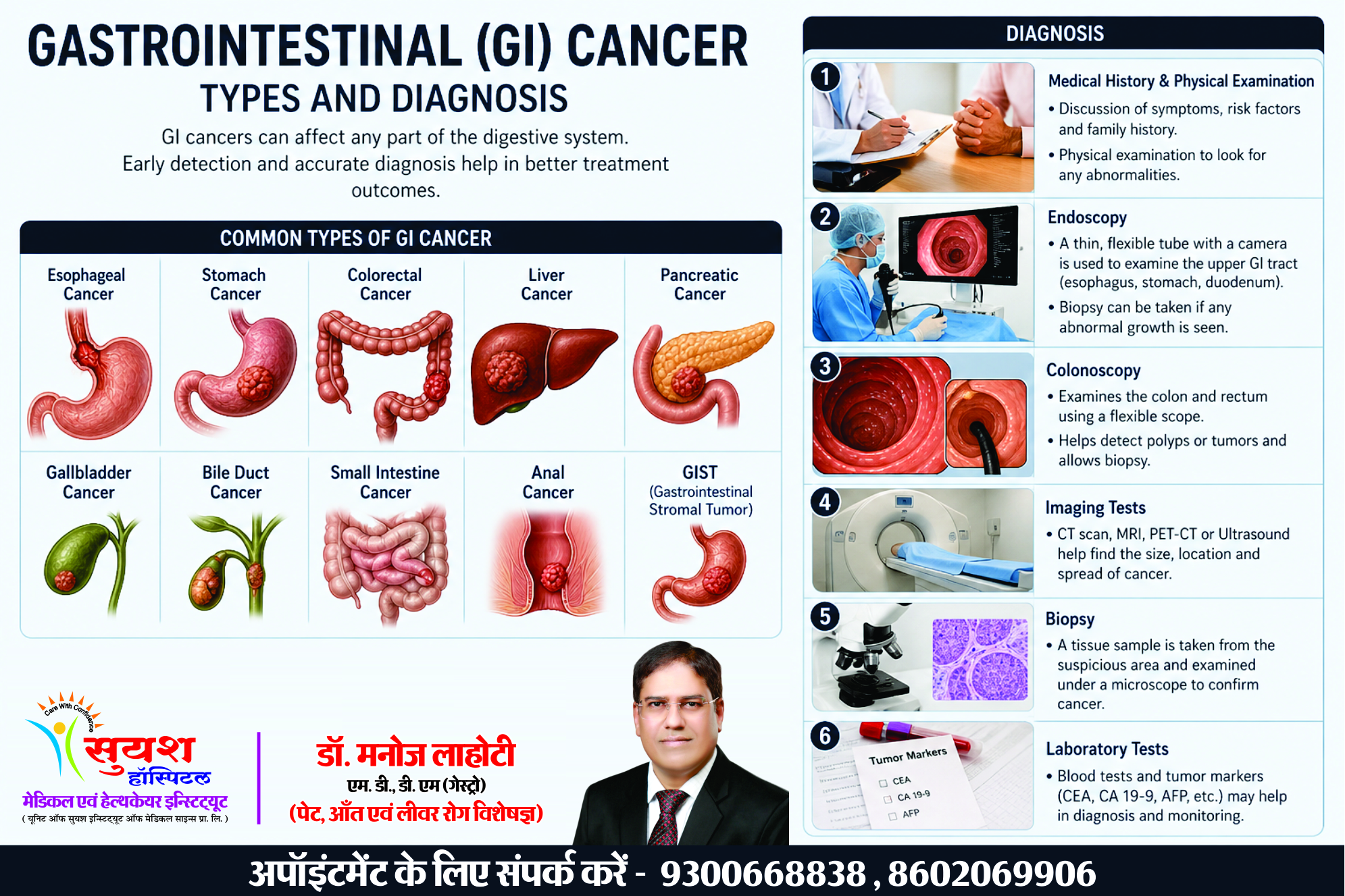
Esophageal Cancer

Diagnosis: Upper GI endoscopy with biopsy, CT/PET scan for staging.
Treatment: Surgery (esophagectomy), chemotherapy and radiotherapy; targeted therapy in advanced cases.

Stomach (Gastric) Cancer

Diagnosis: Endoscopy with biopsy, CT scan, and endoscopic ultrasound (EUS).
Treatment: Gastrectomy (partial/total), chemotherapy, targeted therapy (HER2-positive cases).

Colorectal Cancer

Diagnosis: Colonoscopy with biopsy, CT scan, tumor markers (CEA).
Treatment: Surgical resection, chemotherapy, radiation (mainly for rectal cancer), and immunotherapy in selected cases.

Pancreatic Cancer

Diagnosis: CT scan, MRI, endoscopic ultrasound (EUS) with biopsy.
Treatment: Whipple surgery (if operable), chemotherapy, palliative care for advanced stages.

Liver Cancer (Hepatocellular Carcinoma)

Diagnosis: Ultrasound, CT/MRI, AFP blood test.
Treatment: Surgical resection, liver transplant, ablation, targeted therapy (e.g., sorafenib).

Gallbladder Cancer

Diagnosis: Ultrasound, CT scan, MRI, biopsy.
Treatment: Surgery (cholecystectomy with liver resection), chemotherapy; often diagnosed late.

Cholangiocarcinoma (Bile Duct Cancer)

Diagnosis: MRCP, ERCP with biopsy, CT scan.
Treatment: Surgical resection, biliary drainage (stenting), chemotherapy.

Small Intestine Cancer

Diagnosis: Capsule endoscopy, CT enterography, biopsy.
Treatment: Surgical removal, chemotherapy depending on type (adenocarcinoma, lymphoma, etc.).

Anal Cancer

Diagnosis: Physical exam, biopsy, MRI/CT scan.
Treatment: Chemoradiation (primary treatment); surgery if disease persists.

Gastrointestinal Stromal Tumor (GIST)

Diagnosis: CT scan, biopsy with immunohistochemistry.
Treatment: Surgical removal, targeted therapy (e.g., imatinib).
Argon Plasma Coagulation

Dr. Manoj Lahoti is highly experienced in performing Argon Plasma Coagulation with precision and safety. He utilizes advanced endoscopic techniques to effectively manage bleeding disorders and superficial gastrointestinal lesions. His approach focuses on accurate diagnosis, targeted therapy, and minimizing the need for surgery. With expertise in handling complex and high-risk cases, he ensures excellent outcomes with minimal complications. Patients benefit from faster recovery, reduced hospital stay, and personalized, evidence-based gastrointestinal care.

Argon Plasma Coagulation (APC) – Advanced Endoscopic Treatment

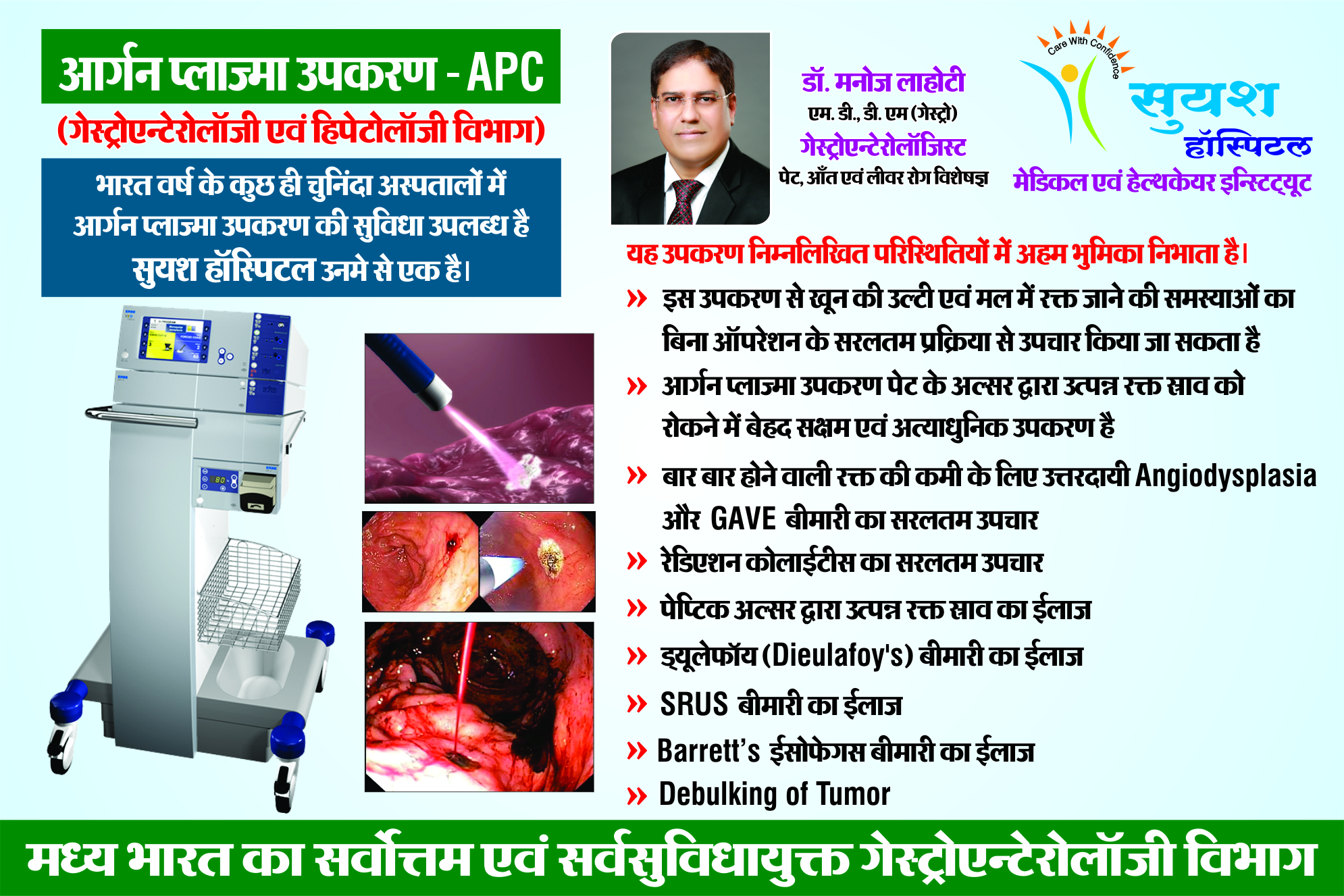
Argon Plasma Coagulation (APC) is a modern, minimally invasive endoscopic technique. It is used to control bleeding and treat abnormal tissues in the gastrointestinal tract. APC uses ionized argon gas (plasma) to deliver controlled thermal energy. This energy coagulates (cauterizes) targeted tissue without direct contact.
It is widely used for treating gastrointestinal bleeding. Common indications include bleeding ulcers and vascular lesions.
It is effective in conditions like angiodysplasia. Also used in radiation proctitis and gastric antral vascular ectasia (GAVE). APC helps remove or ablate superficial tumors and polyps. It is useful in managing Barrett’s esophagus with dysplasia. The procedure is performed during endoscopy. It is quick and usually completed within a short duration. No surgical incision is required. It offers precise and controlled depth of tissue treatment. Reduces the risk of perforation compared to other methods. It is generally safe and well-tolerated by patients. Can be repeated if necessary for optimal results. Helps in reducing the need for major surgery.
Provides immediate control of active bleeding. Short hospital stay or often done as a day-care procedure.
Promotes faster recovery and minimal discomfort. Suitable for elderly and high-risk patients. Plays an important role in therapeutic endoscopy. Enhances overall gastrointestinal treatment outcomes.
A reliable and effective technology in modern GI care.

APC

Causes, Diagnosis & Treatment :

- APC is primarily used in patients with gastrointestinal bleeding disorders.
- Common causes include vascular malformations like angiodysplasia.
- Chronic conditions such as liver disease may lead to bleeding lesions.
- Radiation therapy can cause radiation-induced proctitis.
- Gastric conditions like GAVE (“watermelon stomach”) are treated with APC.
- Superficial tumors and abnormal mucosal growths are also indications.
- Diagnosis is usually made through endoscopy.
- APC allows simultaneous diagnosis and treatment.
- It targets bleeding points precisely and stops hemorrhage.
- Reduces recurrence of bleeding in many cases.
- Useful in patients who are not fit for surgery.
- Treatment is minimally invasive and highly effective.
- May require multiple sessions depending on severity.
- Follow-up endoscopy ensures proper healing.
- Patients are advised to make dietary and lifestyle modifications.
- Medications may be prescribed alongside APC.
- Monitoring is important in chronic or recurrent conditions.
- Early treatment prevents complications like anemia.
- Helps improve quality of life significantly.
A comprehensive approach ensures long-term disease control.

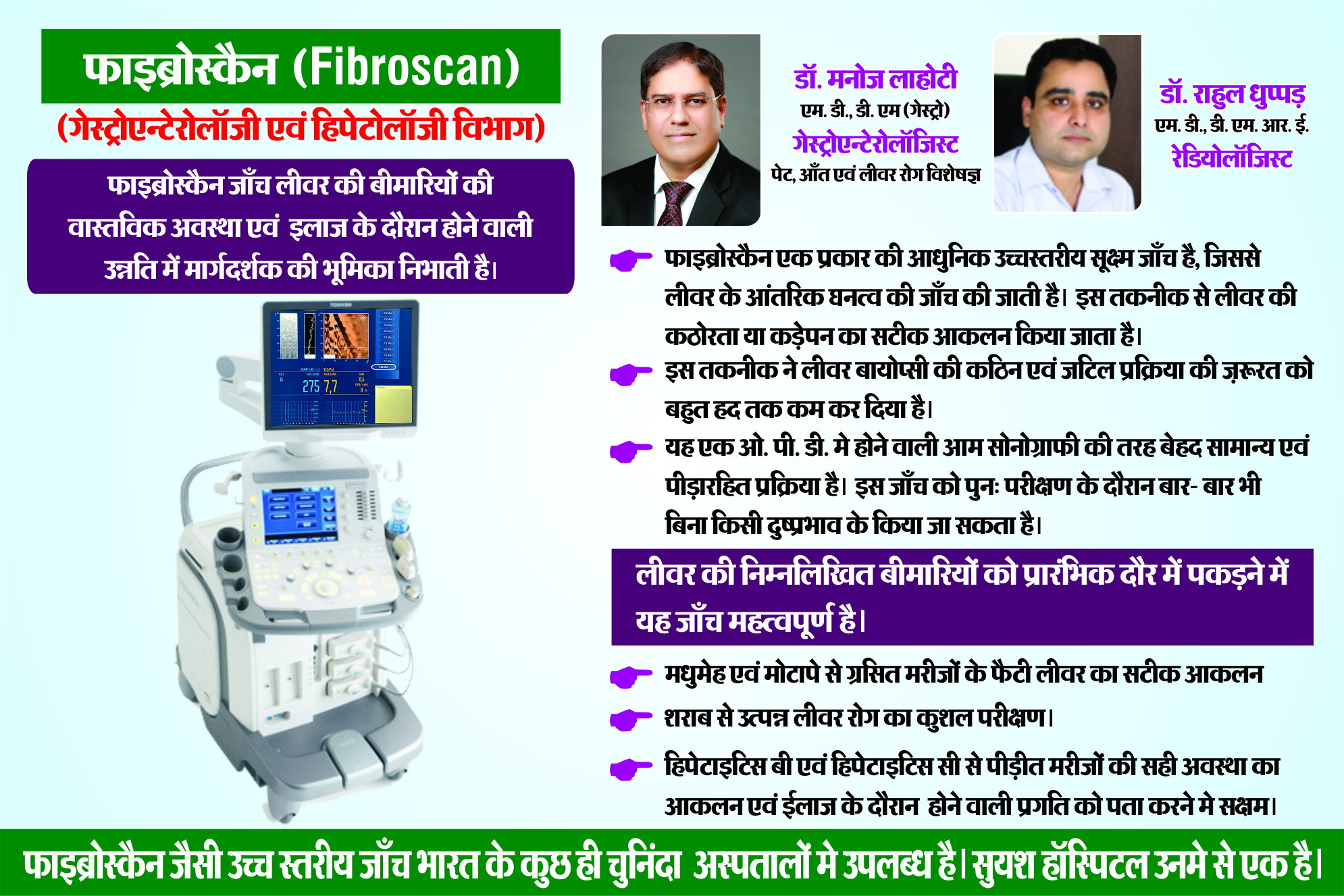
Fibroscan

Dr. Manoj Lahoti is a highly experienced specialist in FibroScan-based liver evaluation and management. He combines accurate, non-invasive diagnosis with personalized treatment strategies tailored to each patient’s condition. His approach emphasizes early detection, lifestyle correction, and evidence-based medical therapy to prevent disease progression. With a strong focus on patient safety and comfort, he minimizes the need for invasive procedures like biopsies. Patients benefit from precise monitoring, improved liver health outcomes, and comprehensive, compassionate care.

liver fibroscan

FibroScan – Advanced Liver Assessment

FibroScan is a state-of-the-art, non-invasive test used to evaluate liver health. It measures liver stiffness, which reflects the amount of fibrosis (scarring). It also assesses fat accumulation in the liver (steatosis). The technology used is called transient elastography. A probe gently sends painless vibrations through the liver. These waves help calculate liver stiffness accurately. Higher values indicate more advanced fibrosis or cirrhosis. The test is quick and takes only 10–15 minutes. It is completely painless and requires no sedation. Patients can return to normal activities immediately. 

FibroScan is widely used in chronic liver disease evaluation. It helps detect early liver damage before symptoms appear. Commonly used in fatty liver disease (NAFLD/NASH). Essential in monitoring hepatitis B and hepatitis C patients. Reduces the need for invasive liver biopsy. Provides instant and reliable results. Safe for repeated use in follow-up assessments. Helps doctors monitor disease progression over time. Useful in predicting the risk of cirrhosis and complications. Assists in planning timely and effective treatment. Suitable for preventive health check-ups. 

Ideal for patients with diabetes, obesity, or alcohol use. Enhances early diagnosis and better clinical outcomes. A patient-friendly and highly accurate diagnostic tool. An integral part of modern liver care management.

Causes, Diagnosis & Treatment :

FibroScan is recommended for patients at risk of liver disease. Fatty liver due to obesity and a sedentary lifestyle is a common cause. Alcohol-related liver damage is another major indication. Chronic hepatitis B and C infections require regular monitoring. Metabolic disorders like diabetes increase liver disease risk. Certain drugs and toxins may also affect liver health. FibroScan helps detect fibrosis at an early stage. It categorizes liver damage from mild to severe. Identifies patients at risk of cirrhosis and complications. Guides doctors in choosing appropriate treatment strategies. 

Early diagnosis allows effective lifestyle modifications. Weight management plays a key role in treatment. A balanced diet and regular exercise improve liver function. Strict alcohol cessation is crucial when indicated. Antiviral therapy helps manage hepatitis infections. Medications may be used to reduce liver inflammation. Regular follow-up ensures disease control and monitoring. Avoidance of harmful drugs protects liver health. Timely care prevents progression to liver failure.
Comprehensive management improves long-term outcomes.

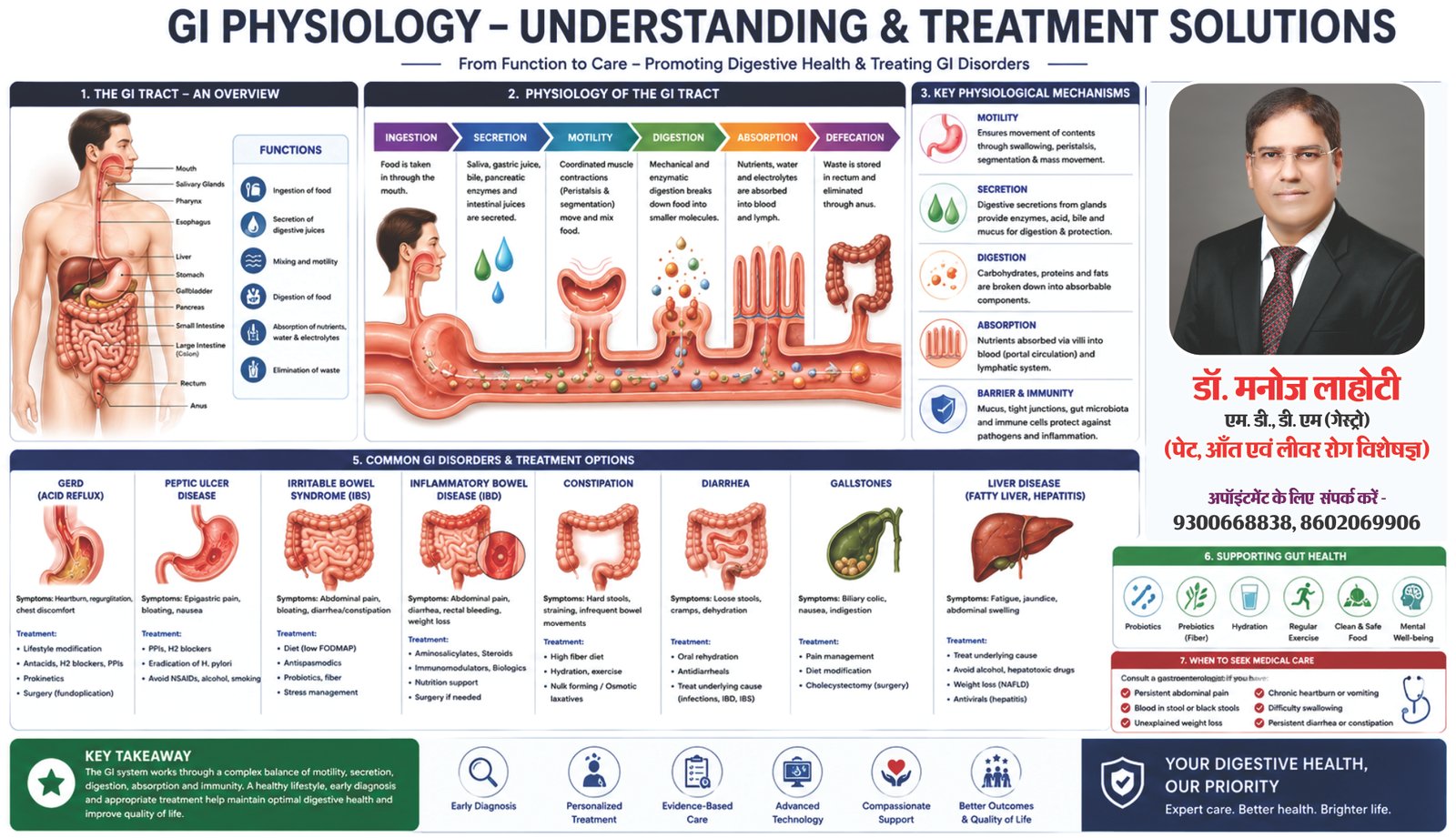
GI physiology

Dr. Manoj Lahoti specializes in advanced GI physiology testing to accurately diagnose functional gastrointestinal disorders. His approach focuses on identifying the root cause using precise diagnostic tools and offering targeted, non-invasive treatments like biofeedback and tailored medical therapy. He ensures personalized care plans that improve long-term outcomes and quality of life. Patients benefit from evidence-based management, avoiding unnecessary procedures and achieving effective symptom control.

Oesophageal Manometry

Measures pressure and muscle coordination of the esophagus during swallowing. Helps diagnose motility disorders like achalasia and severe reflux disease. Guides appropriate treatment planning for swallowing difficulties.

Anorectal Manometry

Evaluates the function of the rectum and anal sphincter muscles. Useful in patients with constipation or fecal incontinence. Helps plan therapies like biofeedback or surgical correction.

Colonic Transit Study

Assesses how quickly food moves through the colon. Useful in chronic constipation to identify slow transit issues. Guides medical or lifestyle-based treatment strategies.

FibroScan of Liver

A non-invasive test to measure liver stiffness and fat content. Helps detect fibrosis, cirrhosis, and fatty liver disease. It is a quick, painless alternative to liver biopsy in many cases.

pH Metry & Impedance Study

Measures acid and non-acid reflux in the esophagus over 24 hours. Helps diagnose GERD and refractory reflux symptoms. Useful in tailoring anti-reflux therapy.

Urea Breath Test

Detects Helicobacter pylori infection in the stomach. Simple, non-invasive, and highly accurate test. Used for diagnosis and post-treatment confirmation.

Hydrogen Breath Test

Assesses carbohydrate malabsorption and small intestinal bacterial overgrowth (SIBO). Measures hydrogen levels in breath after specific sugar intake. Helps diagnose causes of bloating, gas, and diarrhea.

Biofeedback Therapy

A non-invasive therapy to retrain bowel and pelvic floor muscles. Used in constipation and fecal incontinence.
Improves muscle coordination and patient control over bowel function.

ERCP

Dr. Manoj Lahoti – Expert in ERCP (Endoscopic Retrograde Cholangiopancreatography)

Dr. Manoj Lahoti is highly experienced in advanced ERCP procedures, offering both diagnostic precision and therapeutic excellence. His expertise in managing complex biliary and pancreatic conditions ensures effective, minimally invasive treatment with high success rates. He specializes in difficult cases such as large stones, strictures, and malignancies using advanced tools. Patients benefit from shorter hospital stays, fewer complications, and personalized care, leading to optimal clinical outcomes.

ERCP

Diagnostic & Therapeutic ERCP

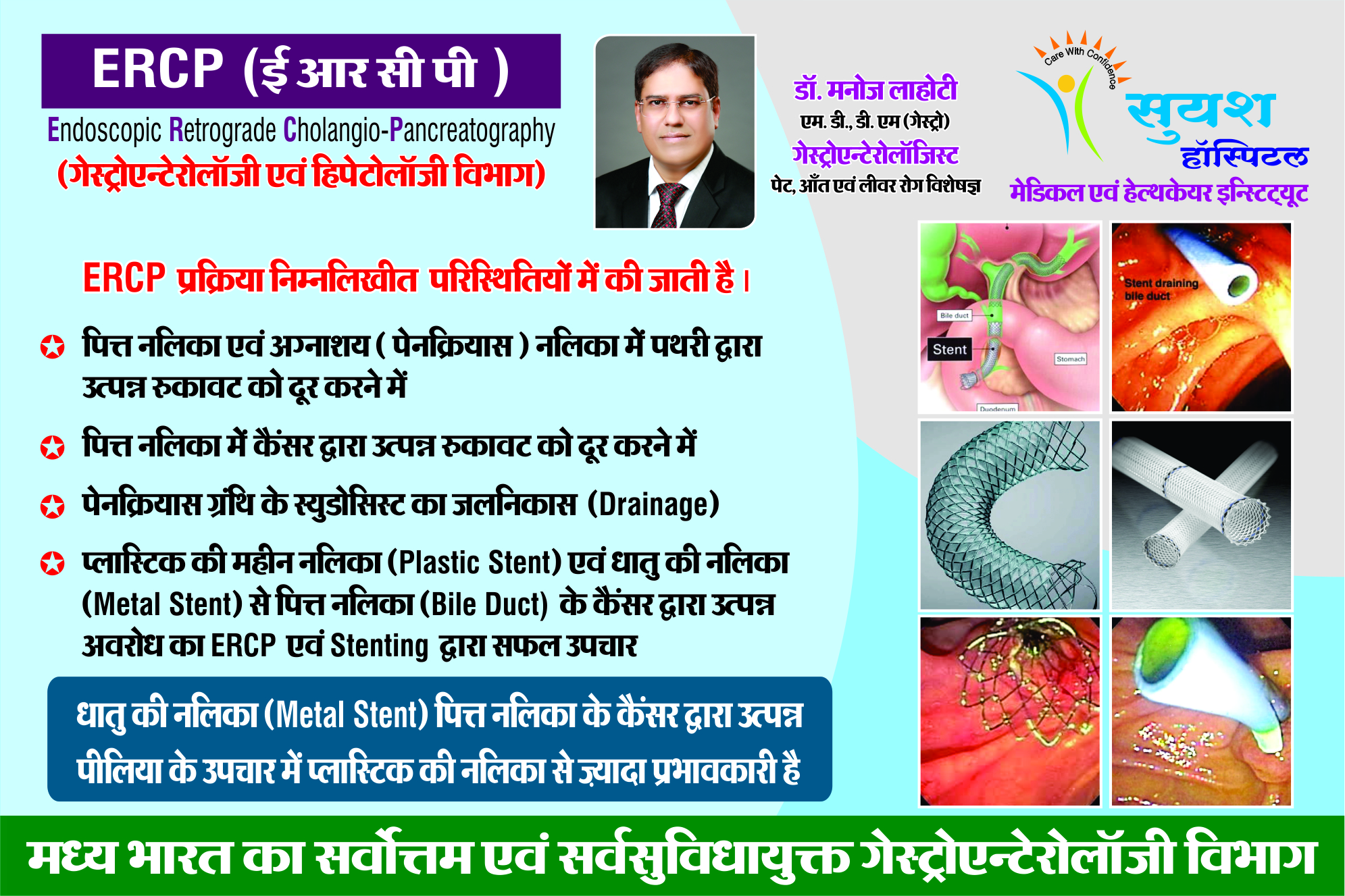
ERCP is a specialized endoscopic procedure used to diagnose and treat diseases of the bile ducts and pancreas. It combines endoscopy with fluoroscopic imaging for precise intervention. Allows simultaneous diagnosis and treatment in a single session.

CBD Stricture Dilatation

Used to widen narrowed bile ducts (Common Bile Duct strictures). Balloon or dilators are used to restore normal bile flow. Helps relieve jaundice and prevent complications.

CBD Stenting

Placement of a stent in the bile duct to maintain drainage. Commonly used in malignant or benign obstructions. Provides long-term relief from jaundice and infection.

PD Stenting

Involves placing a stent in the pancreatic duct. Helps manage pancreatic duct leaks, strictures, or pancreatitis. Improves ductal drainage and reduces pain.

PD Stricture Dilatation

Used to treat narrowing in the pancreatic duct. Balloon dilatation restores normal pancreatic juice flow. Reduces symptoms and prevents recurrent pancreatitis.

CBD & PD Stone Extraction

Removes stones from the bile and pancreatic ducts. Techniques include balloon sweep and basket retrieval. Prevents pain, jaundice, and pancreatitis.

CBD SEMS Placement (Self-Expanding Metal Stent)

Used in malignant biliary obstruction for long-term drainage. Metal stents expand to keep ducts open effectively. Offers better patency compared to plastic stents.

Cholangioscopic Laser Lithotripsy

An advanced technique to break large bile duct stones using a laser. Performed under direct visualization. Effective for difficult or impacted stones.

SpyGlass Cholangioscopy

A cutting-edge system for direct visualization inside bile ducts. Allows targeted biopsy and precise diagnosis. Improves accuracy in complex biliary diseases.

SpyGlass Ampullectomy

Minimally invasive removal of ampullary lesions using SpyGlass guidance.
Avoids major surgery in selected cases.
Ensures precise and complete excision.